

High-Functioning Gambling Addiction: When Success Masks Suffering
Gambling addiction doesn’t care about status, education, income, or reputation. As the director of a gambling treatment program, I’ve watched it take hold, quietly and thoroughly, in people who look successful, composed, and completely in control from the outside. One client I still think about often was a 38-year-old attorney with a respected career, a wife, and two children. On paper, his life looked solid. Behind closed doors, he was slowly unraveling.
The Addiction Behind the Suit
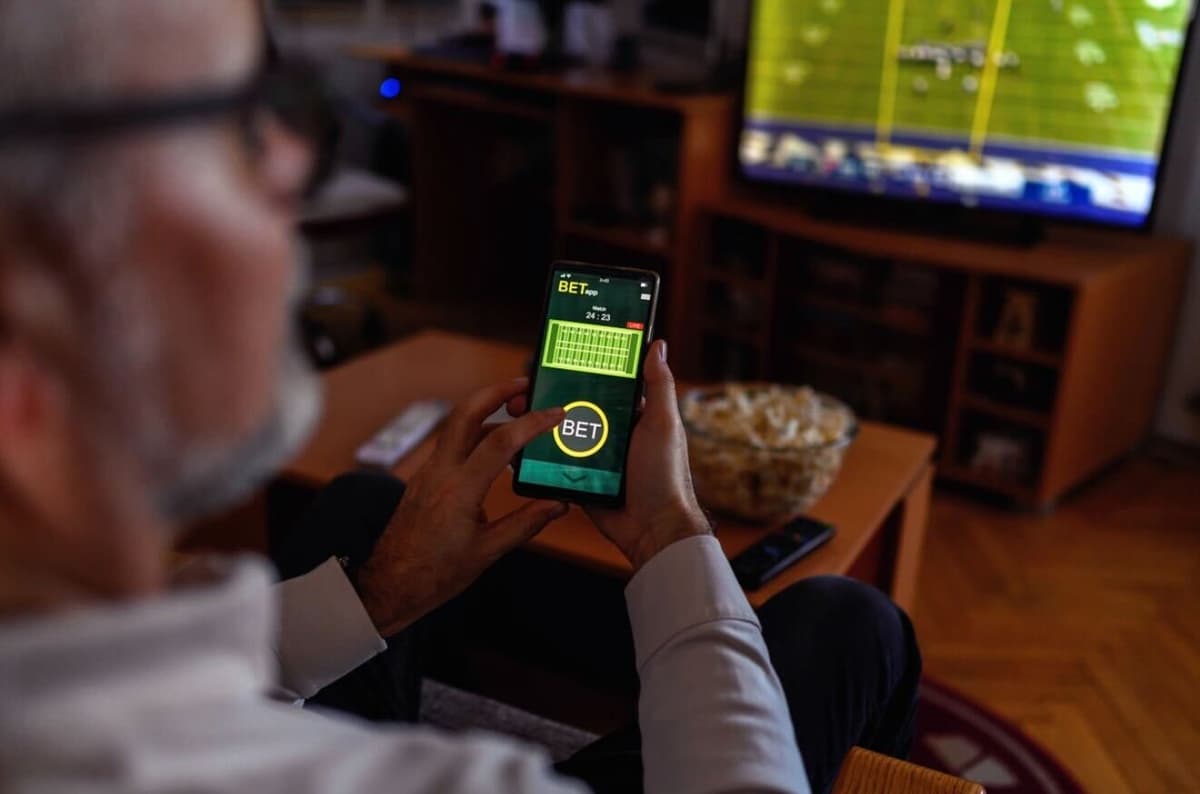
When he first reached out, he didn’t call it addiction. He called it decompressing. “I can’t shut my brain off,” he told me. “It helps me decompress. I don’t drink or use drugs, this feels different.” It had started as sports betting at night, a way to escape the pressure of long hours and constant performance demands. Early wins gave him a sense of control he wasn’t finding anywhere else, and losses made him chase harder to get that feeling back. Somewhere along the way, gambling stopped being entertainment and became something closer to emotional survival.
A Husband and Father Living in Two Worlds
What troubled him most wasn’t actually the money. It was the growing distance at home, the sense that he was living in two places at once. He was physically present at family dinners while his mind tracked scores in the background, his phone never quite out of reach. Conversations with his wife grew tense, not because they were fighting, but because shame thrives in silence and he’d gotten very good at staying silent. “They deserve a better version of me,” he told me once. “I just don’t know how to get back there.”
The Turning Point
There’s usually a moment, and it isn’t always dramatic, when someone realizes they can’t keep doing this alone. For him, it happened on an ordinary morning after a night with no sleep, sitting alone in his car before work, staring at his phone, and recognizing something that scared him more than any loss ever had: he wasn’t just afraid of losing anymore. He was afraid of stopping. That was the morning he finally reached out for help.
What Gambling Addiction Treatment Really Looks Like
Treatment for him wasn’t just about stopping the betting. It was about understanding why gambling had become necessary in the first place. We worked through stress and burnout, perfectionism and control, shame and secrecy, and the emotional regulation skills he’d never actually built. We worked on repairing trust at home and on building a real aftercare and relapse prevention plan. Along the way, he came to understand that gambling had never been the core issue. It had been his coping tool, and once he had healthier tools in place, the urges gradually lost their grip on him.
The Man He’s Becoming
He’s still an attorney. Still driven, still ambitious. But now he’s present in a way he wasn’t before. He listens instead of deflecting. He engages with his children without half his attention somewhere else. And he’s come to understand that real strength was never about control, it’s about honesty, accountability, and asking for help before things fall apart completely.
A Message to Anyone Reading This
If you see yourself in this story, or you recognize someone you love in it, I want you to know something important: gambling addiction often hides behind success, responsibility, and silence, and recovery isn’t a loss of identity. It’s a return to it. The bravest thing a person can do isn’t to win. It’s to stop chasing, and start healing.
Sources
National Institute on Drug Abuse (NIDA) — Stigma and Discrimination
Fellowship Hall — Navigating the Stigma: How Professionals Can Overcome Barriers to Seeking Addiction Treatment
Gateway Foundation — DSM-5-TR Diagnostic Criteria for Gambling Disorder