
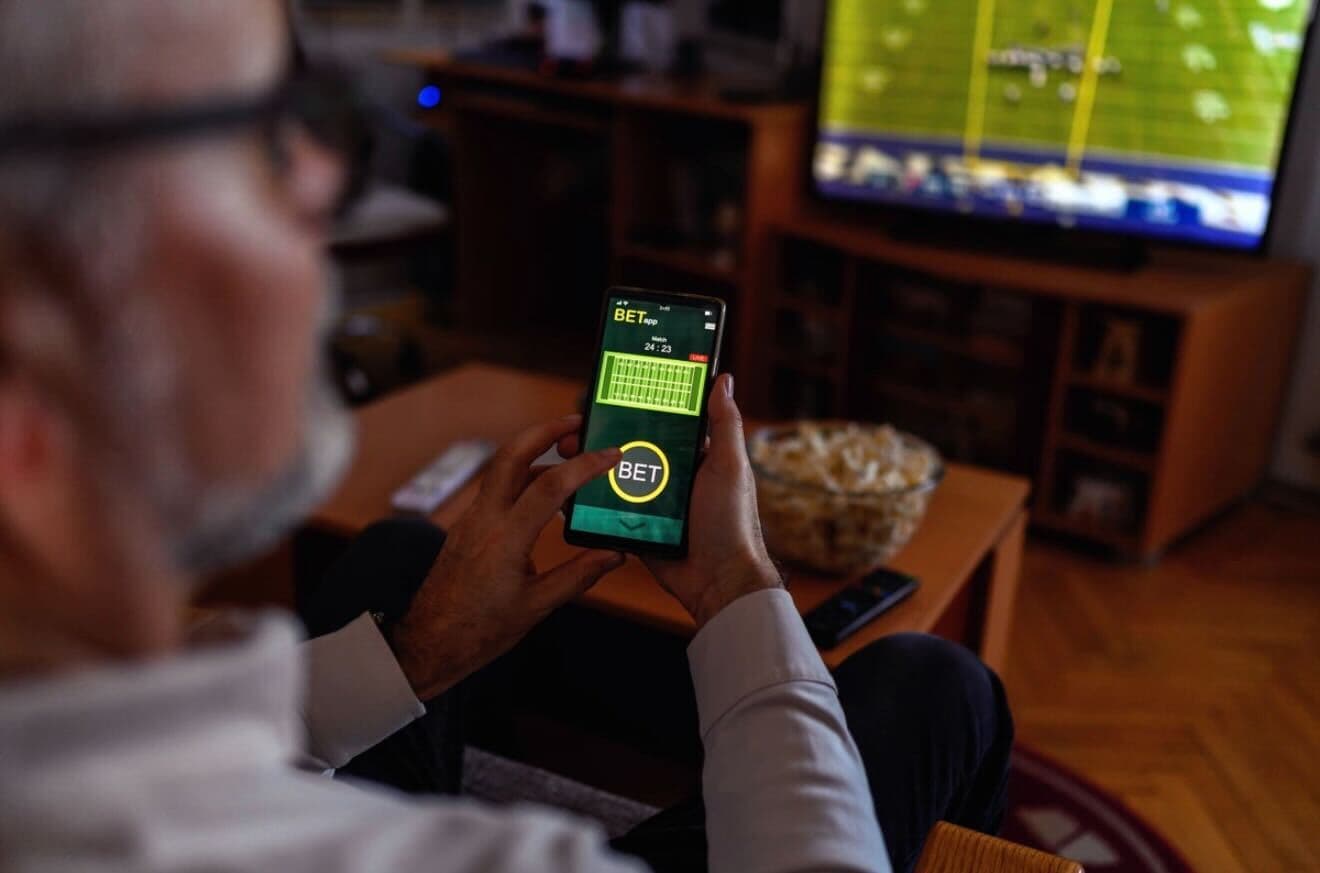

A Gambling Addiction Recovery Story: A Second Chance at 24
At 24 years old, he thought he could outsmart the system. It didn’t feel like addiction at first. It felt like confidence, like momentum, like he’d cracked a code other people were too scared to try. Sports bets turned into online casinos. Weekends turned into daily sessions. Every loss became just another reason to bet again, one more time, to fix what the last bet had broken.
Then the chaos caught up with him. He wasn’t just experimenting anymore, he was reckless. Bills went ignored, promises got broken, and the trust his family had in him started collapsing in real time. Every conversation with his parents felt like a crisis meeting, every night ended in tension. He’d stacked up loans, borrowed from friends and family, and learned, without ever meaning to, how to manipulate the people who loved him most, just to buy a little more time and place one more bet. Being thrown out of the house wasn’t some abstract threat anymore. It felt inevitable. And somewhere in the middle of all that, he realized he wasn’t actually afraid of losing money anymore. He was afraid of losing everyone.
The Moment Everything Changed
When he finally reached out for help, he braced himself for judgment, for a lecture, for a list of consequences he already knew by heart. Instead, he met Scott and Dave. From the very first conversation, something in him shifted. They didn’t talk to him like a case file. They talked to him like a person who still had a future, and they understood gambling not as some moral failing, but as a survival mechanism that had spiraled completely out of control. That distinction mattered more than he expected. For the first time in a long time, he didn’t feel like a failure. He felt understood.
Scott helped him take apart the psychology of what was actually happening in his head, mapping out his triggers, his impulse cycles, his emotional escapes, and the illusion of control that gambling had built around him piece by piece. Slowly, addiction stopped feeling like some mysterious force acting on him and started looking like a pattern he could actually interrupt. Dave, meanwhile, focused on rebuilding the structure underneath him, the daily routines, the financial safeguards, the boundaries strong enough to hold while he worked on repairing trust with his family. Together, they didn’t rescue him. They taught him how to stand.
Recovery Wasn’t Linear — And That Was the Point
There were days he wanted to disappear back into old habits. Days the shame came rushing back in all at once. Days he felt like he should be further along than he was. But Scott and Dave never sold him a fantasy version of recovery. They
told him the truth instead: progress isn’t measured by perfection, it’s measured by whether you come back. Every urge became something to examine rather than hide from. Every setback became information instead of proof that he was failing again.
Slowly, that reframe started to change him. He learned emotional regulation instead of emotional escape, financial discipline instead of desperation, and how to sit inside real discomfort without needing to gamble his way out of it. For the first time, he understood that his addiction had never been proof he was broken. It had been proof he’d been trying to cope without the right tools. And tools, it turned out, could be learned.
Life After Gambling
Today, gambling is no longer the center of his identity. It’s a chapter, not the headline. His relationship with his parents is rebuilding, one steady piece of trust at a time. He still checks in, still practices what he learned, still treats recovery like a muscle that needs regular maintenance, with no illusion that the work is ever really finished. But the chaos is gone.
He describes it now as waking up with quiet in his mind. No constant math running in the background. No chasing. No lies stacking up behind him. Just space, space to plan an actual future, to repair relationships he thought he’d damaged beyond repair, and to feel proud of himself in a way he never imagined possible at 24. Most people his age assume that asking for help means they’ve failed too early in life. He knows now that the opposite is true. He got help early enough to build a life instead of spending years rebuilding wreckage, and he credits that turning point to two people who refused to let him define himself by his worst season.
Sources
National Council on Problem Gambling — 2025 National Problem Gambling Helpline Annual Report AboutLawsuits.com — Young People and Gambling: Why Men Are Disproportionately Affected by Sports Betting Addiction