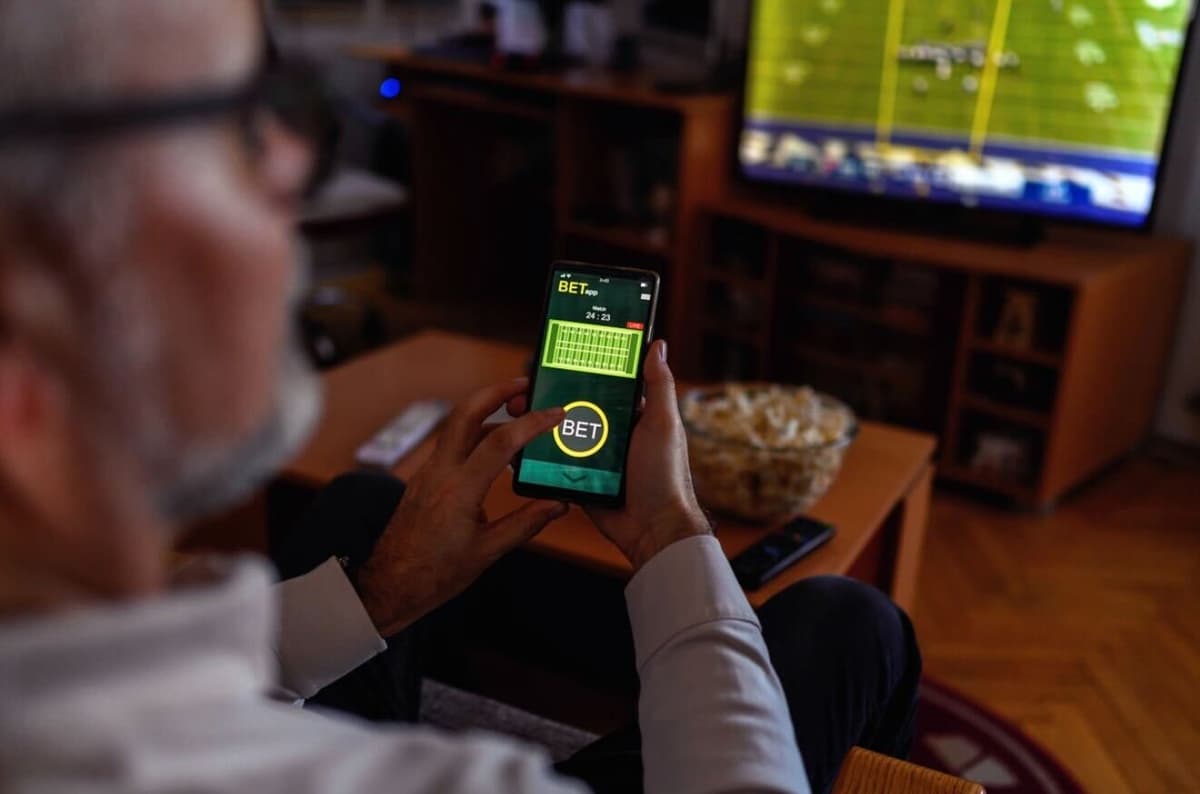


Gambling Recovery Does Not Have to Remove You From Your Life
If you’re reading this, gambling has probably started to feel heavier than it once did, heavier in your thoughts, heavier in your relationships, heavier in the quiet moments when it takes up more mental space than you’d ever admit to anyone. For a lot of people, the hardest part of reaching out for gambling support isn’t denial. It’s fear: fear of stepping away from work, fear of losing privacy, fear of disappointing the people who love you, fear of losing what little control you feel like you still have when everything already feels unsteady.
None of these fears make you weak. Most people struggling with gambling are capable, responsible, and deeply committed to their families and careers, and gambling addiction doesn’t erase any of that. It just quietly strains it, until confusion, isolation, and exhaustion start crowding out everything else. A lot of traditional gambling recovery models ask people to step entirely out of their lives in order to stop, phones taken away, work paused indefinitely, independence limited almost across the board. That approach can bring real short-term relief, but it often delays the harder, more lasting work: learning how to actually live differently while your life keeps going around you.
Accountability Is Not Punishment in Gambling Recovery
People dealing with a gambling problem already understand responsibility better than they’re usually given credit for. They show up. They care. They manage real obligations every day. Gambling addiction was never a sign that someone lacks values or discipline. It’s a sign of strain in a few very specific areas: money, secrecy, emotional regulation, and impulse control. Accountability in gambling recovery isn’t about controlling someone. It’s about rebuilding trust, starting with real decisions in real moments, learning to tolerate discomfort instead of escaping into gambling, facing financial reality without collapsing into shame over it, and following through consistently, in small ways, until self-trust starts to return. None of this is surveillance. It’s learning how to rely on yourself again.
Staying Connected to Life Is Where Gambling Change Actually Happens
Removing someone from their life entirely can feel protective, but protection on its own doesn’t teach regulation. With the right structure and safeguards in place, staying engaged in daily life actually lets gambling triggers surface, where they can be handled differently instead of just avoided. That distinction matters more than it sounds like it should. It’s the difference between temporarily avoiding gambling and actually learning how to live without it. For a lot of people, work provides identity, structure, and purpose, and stepping away from it because of gambling often increases shame rather than relieving it. When recovery includes appropriate engagement with work, the skills a person is building get practiced exactly where life actually happens, not in some separate, artificial environment. Privacy matters here too. Personal space supports dignity, emotional regulation, and honest reflection during recovery, and it lets change feel realistic instead of staged.
Why Gambling and Money Must Be Addressed Directly
Money is usually the single most painful trigger connected to gambling, and avoiding it just keeps anxiety high and recovery unstable. Addressing finances early brings real clarity. Uncertainty starts to decrease. The full impact of the gambling becomes visible without becoming overwhelming, and planning slowly replaces panic. As the avoidance fades, shame loosens its grip too, and progress finally starts to feel tangible instead of theoretical.
A Different Question
Instead of asking whether you can step away from your entire life long enough to recover from gambling, a more useful question tends to emerge: what if gambling recovery actually means learning how to live your life without gambling, starting right now, exactly where you are? That single shift in framing changes almost everything about how the work goes from there.
Sources
National Council on Problem Gambling — Survey Shows Drop in Problem Gambling Risk, Highlights Ongoing Challenges
Psychiatry Online (Focus) — Addressing Stigmas That Hinder Addiction Treatment and Recovery