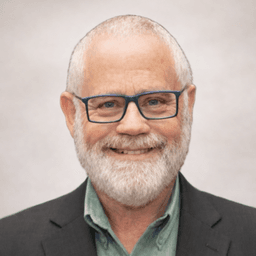

I've lived on both sides of gambling addiction — personally and professionally — and I've been in recovery for over 43 years. I've also worked in the addiction field for more than 25 years.
What I'm seeing today, especially with the explosion of sports betting ads, is deeply concerning.
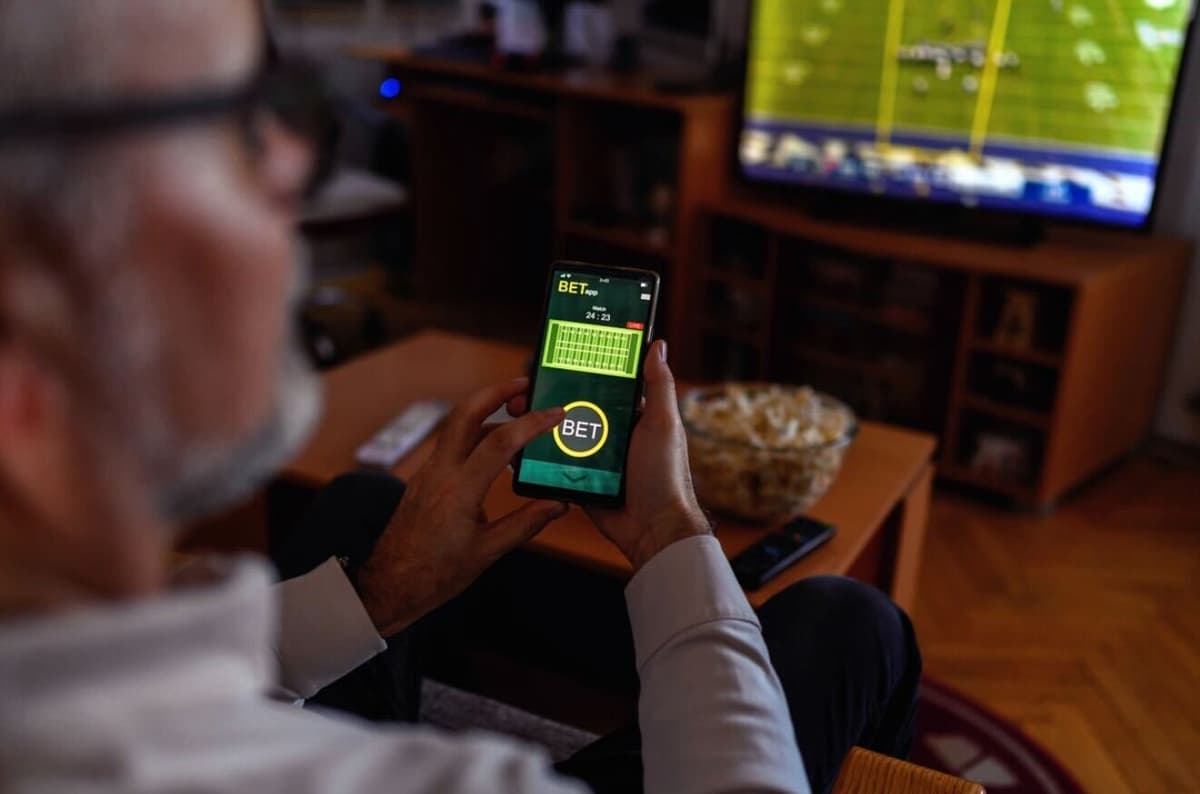
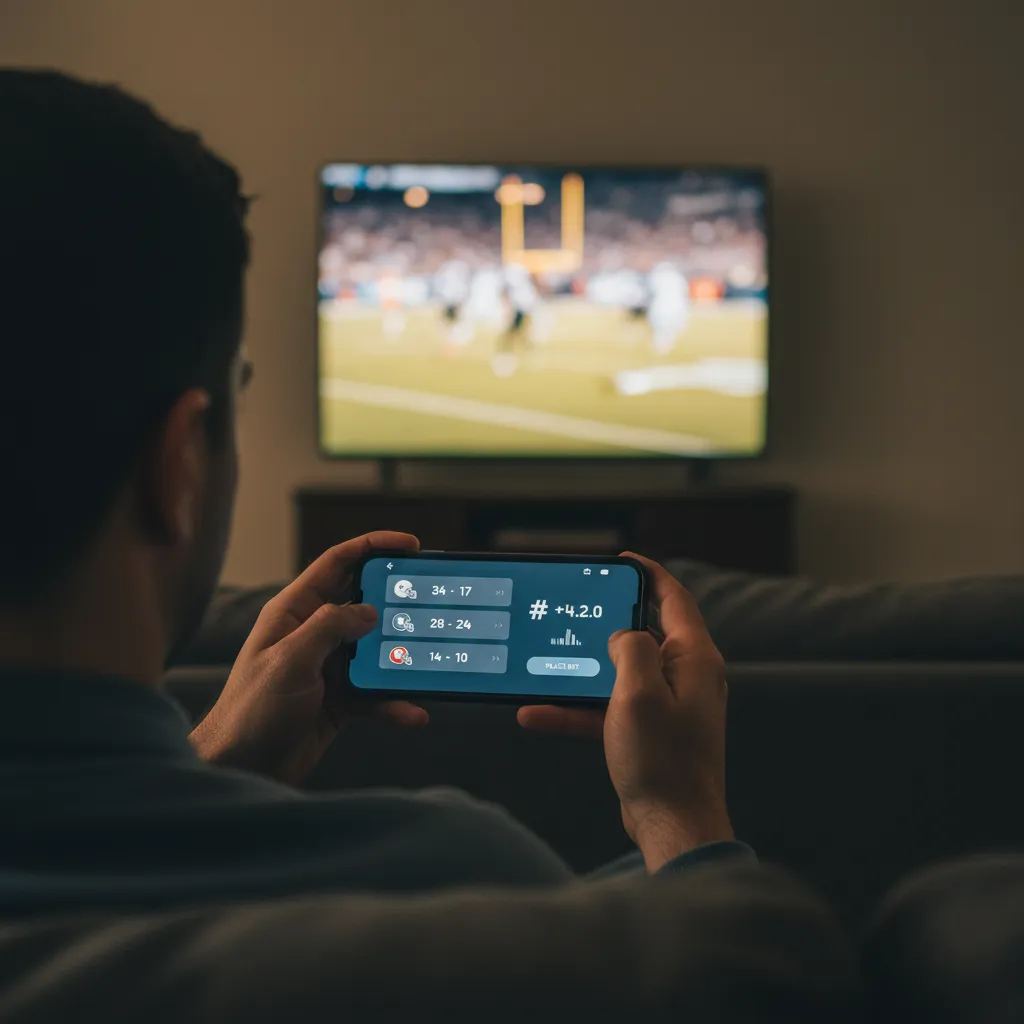
Sports betting is everywhere now. It's woven into broadcasts, social media, podcasts, and apps — and it's not accidental. The constant exposure is fueling a sharp rise in gambling-related harm, particularly among young men, though we're now seeing a growing number of women affected as well. Families are paying the price, often quietly and painfully.
Sports Betting and Addiction: A Higher Risk Than Most Realize

Most people can gamble without developing a problem — that's true. But sports betting carries a higher prevalence of addiction than many other forms of gambling. Research consistently shows that online and sports betting are associated with faster progression to problem gambling due to their speed, accessibility, and constant reinforcement.
Unlike traditional casino gambling, sports betting offers:
24/7 access through mobile phones
In-play betting that encourages impulsive decisions
A false sense of control based on sports knowledge
These factors combine to create a perfect storm for addiction, especially for young people whose brains are still developing impulse control.
The Damage of Celebrity Endorsements
When high-profile influencers like LeBron James or Kevin Hart promote gambling as "safe," "fun," or just another form of entertainment, the message hits hard — especially for men who admire them. The implication is subtle but powerful: if successful, respected people are doing this, it must be harmless.
But for someone with genetic vulnerability, unresolved trauma, or high stress, that message can be dangerous. We're now seeing gambling normalized in ways we never did before, and the consequences are showing up in treatment centers, courtrooms, and family living rooms.
Why "Gamble Responsibly" Often Misses the Mark
The phrase "gamble responsibly" sounds good, but in practice, it often does more harm than good.
Here's why: addiction doesn't operate on logic or intention. Factors like genetics, early big wins or devastating losses, mental health challenges, and gambling as an escape from stress or pain can override personal responsibility very quickly.
For someone vulnerable, "just gamble responsibly" is like telling someone with asthma to "just breathe better." It ignores the biology and psychology of addiction.
Gambling and Suicide: The Hardest Truth

This is the part that's hardest to say out loud — but it must be said.
Gambling addiction has one of the highest suicide rates of any addiction. The combination of financial devastation, shame, secrecy, and perceived hopelessness can be overwhelming. I've seen too many families blindsided, left asking, "Why didn't we know?"
The truth is, gambling addiction is often invisible until it's catastrophic.
There Is Help — and Recovery Is Real

Despite all of this, I want to be very clear: gambling disorder is treatable.
Addiction is a chronic disease, but it is not a life sentence. Over the decades — both in my own recovery and in my work — I've seen more people recover and go on to live meaningful, grateful, high-quality lives than most people ever get to witness.
What works best, consistently, is:
Clinical therapy
Group and peer support
Ongoing counseling
Family involvement
Continuous self-help and accountability
Recovery doesn't happen in isolation. It happens in connection.
A Practical Model for Real Life
One of the biggest challenges I've seen is that most people with gambling problems can't step away from their families, careers, and responsibilities for 45–90 days of residential treatment.
That's why, at Elaris Coaching, we created a different model.
Our program begins with two weeks of intensive treatment and family support in Prescott, followed by 50 weeks of structured continuing care. The goal is to build momentum, stability, and a simple, sustainable lifetime maintenance plan.
Our staff includes seasoned professionals with decades of experience treating gambling addiction, experts in financial recovery, and peer-based online support groups — because financial healing and peer connection are essential parts of recovery.
Within two weeks, clients receive high-quality, focused treatment — and just as importantly, they don't walk away alone. The follow-up care is where real change is protected and strengthened.
Final Thoughts
I've watched gambling addiction destroy lives — and I've watched recovery rebuild them.
If you or someone you love is struggling, please know this: you are not weak, broken, or beyond help. Addiction thrives in silence, but recovery grows in honesty, support, and community.
The game doesn't have to control your life forever. There is another way — and it works.