

Most people believe their feelings are signals they must obey.
If they feel motivated, they act.
If they feel anxious, tired, ashamed, or overwhelmed, they wait.
This feels reasonable. It feels human.
And it is one of the most reliable ways people stay stuck.
Because feelings are not stable.
They are not strategic.
And they are rarely aligned with long-term outcomes.
## Why Feelings End Up in the Driver's Seat
From a neurological standpoint, feelings are fast, reactive, and state-dependent. They are generated by the limbic system — the part of the brain responsible for threat detection, reward anticipation, and emotional memory.
This system evolved to keep us alive, not to help us build meaningful lives.
When stress rises, the brain prioritizes relief over direction. Avoidance feels safer than effort. Familiar patterns feel more trustworthy than new ones. The nervous system doesn't ask, "What will help me grow?" It asks, "What will make this feeling stop right now?"
That's why people wait to feel ready.
Why they delay hard conversations.
Why they promise change tomorrow instead of acting today.
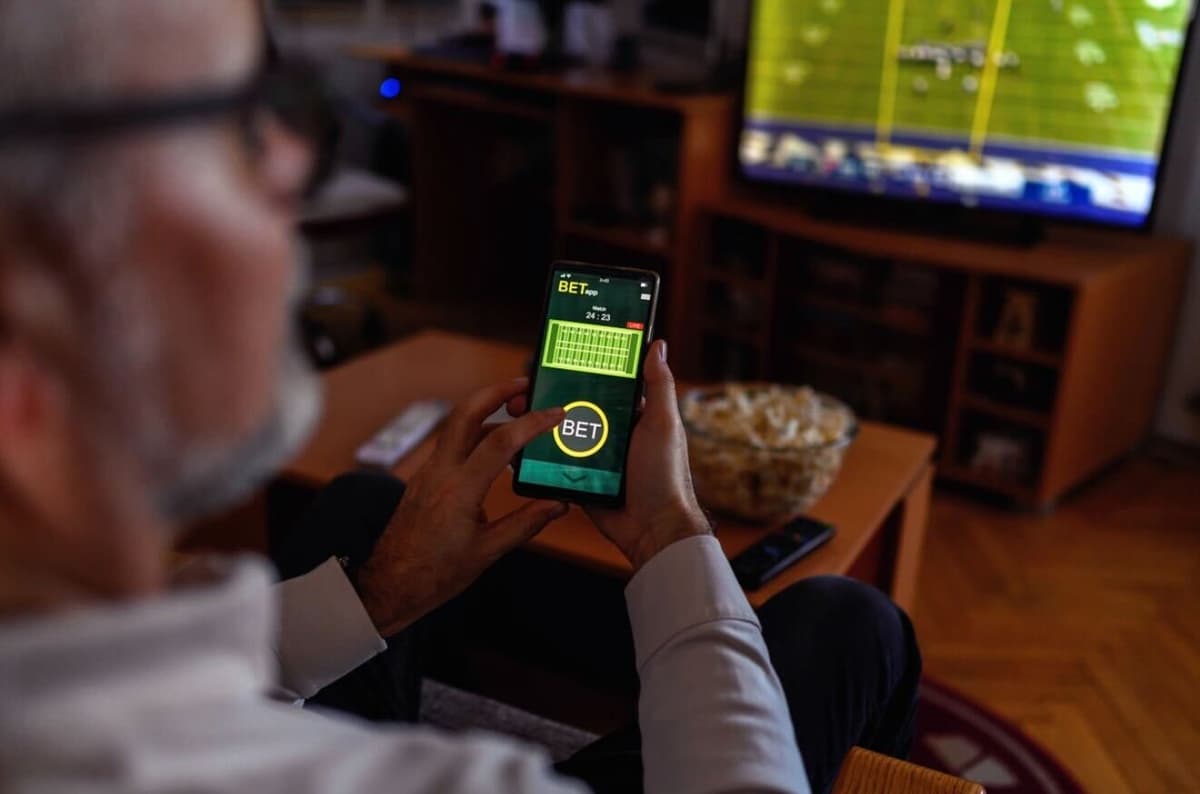
Why gambling, distraction, or escape feel so compelling in moments of pressure.
It's not a character flaw.
It's biology.
## The Problem With Letting Feelings Lead
Feelings fluctuate hour to hour. Sometimes minute to minute. If behavior is dependent on mood, consistency becomes impossible.
Motivation drops.
Doubt spikes.
Shame enters.
Momentum collapses.
This is why so many intelligent, capable people feel confused by their own inconsistency. They know what to do. They've read the books. They've had the insights. Yet execution disappears when emotions get loud.
The mistake is believing feelings are prerequisites for action.
They are not.
## The Neuroscience of Doing First
Action changes the brain faster than insight alone.
When you take intentional action — even small, structured action — you activate the prefrontal cortex, the region responsible for planning, impulse control, and long-term thinking. Repeated behavior strengthens these circuits. Over time, regulation improves. Emotional intensity decreases. Decision-making stabilizes.
In other words: behavior leads, feelings follow.
This is why momentum matters more than motivation.
This is why structure outperforms intention.
This is why doing the right thing while feeling wrong is often the turning point.
Feelings eventually catch up to behavior because the nervous system learns safety through experience, not promises.
## Why This Matters in Gambling Recovery
For people struggling with gambling, feelings often feel overwhelming and convincing.
"I'm stressed."
"I need relief."
"I'll reset tomorrow."
"I can't think straight right now."
In these moments, behavior driven by feeling reinforces the cycle. The brain learns that discomfort equals escape. Over time, urges strengthen, not because someone lacks discipline, but because the system has been trained that feelings dictate action.
Breaking this pattern does not start with feeling better.
It starts with doing differently.
Choosing structure over impulse.
Choosing transparency over secrecy.
Choosing the next right action even while feeling uncertain, restless, or uncomfortable.
This is not suppression.
It is re-training.
## What We Focus on at Elaris
At Elaris, we don't ask clients to feel confident, motivated, or clear before they act.
We start with behavior.
We help clients:
- Identify the smallest actions that create stability
- Build structure that holds when emotions fluctuate
- Practice accountability before confidence arrives
- Learn how to act under stress, not only when calm
- Understand that transformation begins at the level of execution
We teach where the real starting point is.
Not how you feel.
What you do.
## The Shift That Changes Everything
When behavior becomes the anchor, something powerful happens.
Feelings lose authority.
Urges lose urgency.
Identity stabilizes.
People stop negotiating with their emotions and start leading themselves again.
They don't wait to feel ready.
They don't wait for certainty.
They move — and let clarity arrive later.
Because success is not built on emotional consistency.
It's built on behavioral reliability.
## A Final Truth
You cannot control how you feel in a given moment.
You can control what you do next.
And over time, that choice rewires the system that once kept you stuck.
This is the work.
This is the practice.
This is how real change begins.
Not with how you feel —
but with what you do.