I work in gambling addiction admissions, and I've taken hundreds of calls over the years. But there's one kind of call I hear more than any other—especially when it comes to sports betting.
It usually starts the same way.
"I don't even know if this is the right place to call." "I'm not in casinos." "I just bet on sports."
They say it like it's a footnote. Like sports betting doesn't count the same way.
One call that still sticks with me came from a man who sounded calm—almost too calm. He told me he was "just calling to get information." He had a good job. A family. He followed every major sport and could break down stats better than most analysts on TV.
Sports betting had started as entertainment. A few friendly bets. Fantasy leagues. A couple of apps on his phone. He told me, "I just wanted the games to be more interesting."
Over time, the bets got bigger. Not reckless—calculated. At least that's how he described them. He studied trends. He chased value. He believed knowledge gave him control.
But knowledge didn't stop him from betting at work. It didn't stop him from watching games he didn't even like. It didn't stop him from feeling sick on Sundays and numb on Mondays.
He told me he'd won enough times to believe he was different. Smarter. Disciplined. Until the losses piled up and every bet became about fixing the last one.
What finally made him call wasn't a blowup or a confrontation. It was the moment he realized he couldn't watch a game without anxiety. He wasn't enjoying sports anymore—he was surviving them.
## The New Face of Gambling Addiction
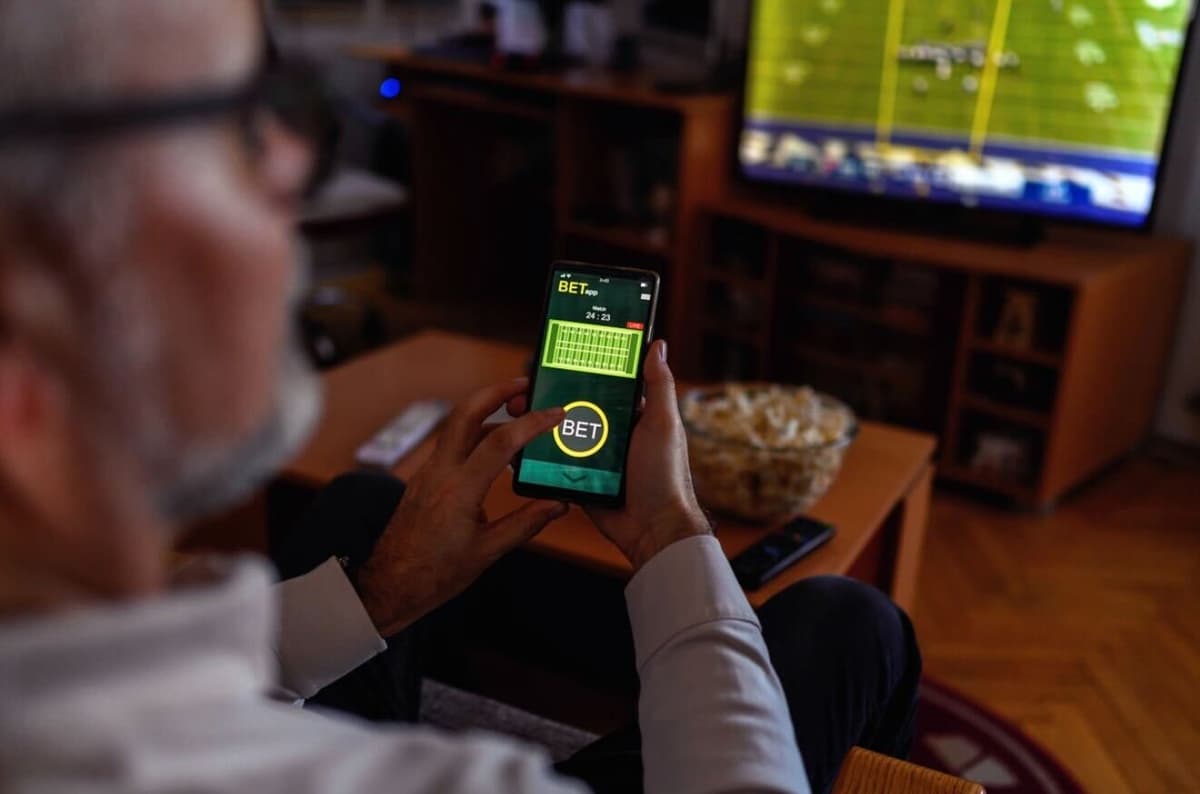
As an admissions professional, I hear this pattern constantly. Sports betting doesn't look like the old stereotypes people have in their heads. It looks like phones. Apps. Live odds. Push notifications. It looks like someone sitting on a couch on Sunday, heart racing, pretending everything is fine.
When I told him that sports betting addiction is one of the fastest-growing reasons people reach out to us, he went quiet. Then he said something I hear all the time:
"I thought I was the only one."
He wasn't.
## What Getting Help Actually Looks Like
By the end of the call, he wasn't asking if he was "bad enough" anymore. He was asking what getting help would actually look like. What treatment involved. Whether he'd be judged.
I told him the truth.
Treatment isn't about taking sports away from you. It's about giving you back your life. It's about understanding why betting became the answer to stress, pressure, or escape—and learning how to live without needing odds to feel okay.
I don't know what every caller chooses. Some take time. Some call back weeks later. But many of them do come in—and when they do, they often tell me the same thing:
"I wish I'd called sooner."
## You Don't Have to Hit Rock Bottom
If you're reading this and thinking, "I only bet on sports," I want you to know something as someone who answers these calls every day:
You don't have to hit rock bottom to reach out. You don't have to lose everything for this to be serious. And you don't have to figure it out alone.
Sometimes the bravest move isn't placing another bet—it's making the call.