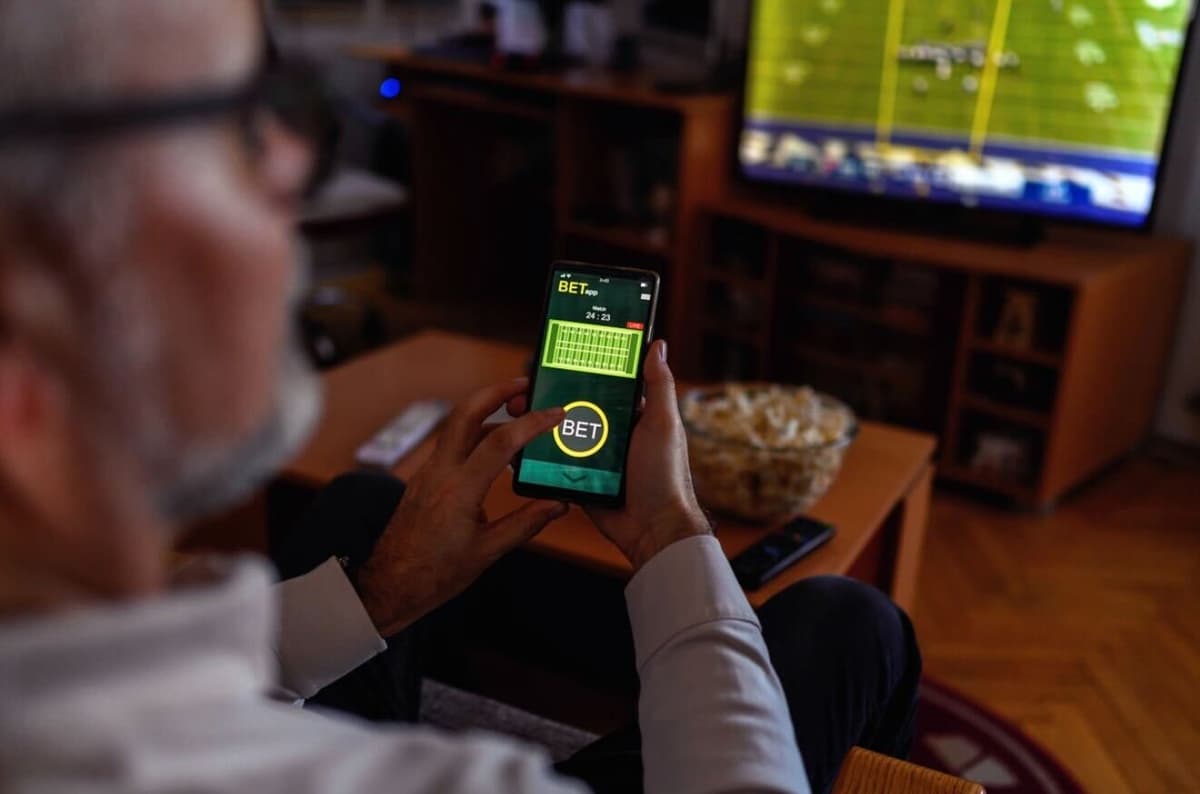
If you are reading this, gambling has likely begun to feel heavier than it once did. Heavier in your thoughts. Heavier in your relationships. Heavier in the quiet moments when gambling occupies more mental space than you want to admit. For many people, the hardest part of reaching out for gambling support is not denial. It is fear.
Fear of stepping away from work because of gambling. Fear of losing privacy due to gambling. Fear of disappointing loved ones because of gambling. Fear of losing control when life already feels unsteady.
These fears are not weaknesses. Most people struggling with gambling are capable, responsible, and deeply committed to their families and careers. Gambling addiction does not erase those qualities. Gambling quietly strains them—often creating confusion, isolation, and exhaustion.
Many traditional gambling recovery models ask people to step out of their lives to stop gambling. Phones are removed. Work is paused. Independence is limited. While this can provide short-term relief from gambling, it often delays lasting change: learning how to live differently while life continues.
## Accountability Is Not Punishment in Gambling Recovery
People affected by gambling already understand responsibility. You show up. You care. You manage obligations. Gambling addiction does not reflect a lack of values or discipline. It reflects strain in specific gambling-related areas—money, secrecy, emotional regulation, and impulse control.
Accountability in gambling recovery is not about control. It is about rebuilding trust.
From the start, gambling recovery focuses on real decisions in real moments. Learning to tolerate discomfort instead of escaping through gambling. Facing financial reality without collapsing into shame. Following through consistently in small ways that restore self-trust damaged by gambling.
This is not about surveillance. It is about learning to rely on yourself again without gambling.
## Staying Connected to Life Is Where Gambling Change Happens
Complete removal from life can feel protective from gambling, but protection alone does not teach regulation. With structure and safeguards in place, staying engaged in daily life allows gambling triggers to surface—and be handled differently.
That distinction matters. It is the difference between temporarily avoiding gambling and learning to live without it.
For many, work provides identity, structure, and purpose. Stepping away because of gambling can increase shame and fear. When gambling recovery includes appropriate engagement with work, skills are practiced where life actually happens.
Privacy matters as well. Personal space supports dignity, emotional regulation, and reflection during gambling recovery. It allows change to feel realistic instead of artificial.
## Why Gambling and Money Must Be Addressed
Money is often the most painful gambling trigger. Avoiding it keeps anxiety high and recovery unstable.
Addressing finances early in gambling recovery brings clarity. Uncertainty decreases. The full impact of gambling becomes visible without overwhelm. Planning replaces panic. Confidence slowly returns.
As avoidance fades, emotional regulation improves. Shame loosens. Progress becomes tangible.
## A Different Way Forward in Gambling Recovery
This approach to gambling recovery is not easier. It is more honest. It respects the intelligence, responsibility, and lived experience of people affected by gambling.
Gambling recovery does not require disappearing from your life. It requires learning how to stay present in it—without gambling.
## A Different Question
Instead of asking whether you can step away from life long enough to recover from gambling, a more powerful question often emerges.
*What if gambling recovery means learning how to live your life without gambling, starting now.*
That shift changes everything.